

Search engine optimization (SEO) is the process of improving your website so it can appear more prominently in search results and attract people actively looking for the products, services, or information you offer. For most businesses, SEO is worth investing in because it can generate qualified traffic, leads, and sales over the long term without requiring you to pay for every click.
If you run a business, you have almost certainly been pitched SEO. Maybe it arrived as a cold email promising page one of Google in 30 days. Or perhaps you’ve wondered why your competitor keeps showing up in search results while you don’t. Either way, deciding how much time and money to put into SEO can be difficult when you aren’t entirely sure what you’re paying for.
This guide breaks it down in plain language. You’ll learn how SEO works, how search engines decide what to show, the different ways you can invest in SEO, and how to determine whether doing it yourself or hiring an agency makes the most sense for your business.
What Does SEO Stand For?
SEO stands for search engine optimization. It is the practice of improving your website so that search engines like Google can find it, understand it, and show it to people searching for what you offer.
That is the whole idea. Someone types a search query into Google. Google returns a list of results. SEO is the work of earning a spot on that list, not by paying for an ad, but by being genuinely the most useful, most credible answer to the question being asked.
This is why the traffic SEO produces is called organic traffic. Instead of buying each click, you are building an asset that keeps sending visitors to your website month after month, long after the work is done.
SEO vs. Paid Search: The Short Version
The difference between SEO and paid search is that paid search (Google Ads) is a faucet. Turn it on, traffic flows. Turn it off, traffic stops. It is fast, measurable, and predictable, and for many businesses it is a smart part of the mix.
SEO is more like a property investment. It takes longer to see returns, typically three to six months before meaningful movement, sometimes longer in competitive industries, but the value compounds. A page that ranks well can generate leads for years. Most businesses that succeed online end up doing both: paid for immediate volume, SEO for durable, lower-cost growth.
How Search Engines Actually Work
To understand what you are paying for, it helps to know what happens between someone typing a search and Google returning results. There are three stages.
1. Crawling
Search engines run automated programs, called search engine crawlers (or simply crawlers or bots), that move from link to link across the web, discovering pages. If a crawler cannot reach a page on your website, that page effectively does not exist as far as search is concerned.
Common problems here are called crawl errors. There may be broken links, pages blocked by a stray line of code, or pages buried so deep in your site that nothing links to them. These are unglamorous, technical, and often the single fastest way to improve on a neglected website.
2. Indexing
Once a crawler has read a page, the search engine decides whether to store it in its index, a colossal database of every page it considers worth keeping. During indexing, Google works out what the page is about: the topic, the language, the images on it, and how it relates to other web pages on the same subject.
Being crawled does not guarantee being indexed. Thin, duplicated, or low-quality pages are frequently left out. This is one reason “more pages” is not automatically a strategy.
3. Ranking
When someone searches, Google pulls from its index and orders the candidates. Hundreds of signals decide rankings, but they cluster into a few themes that are easy to understand:
- Relevance: Does this page genuinely answer the search query, and does it match the user intent behind it? Someone searching “running shoes” wants to browse. Someone searching “best running shoes for flat feet” wants advice. Each intent requires different content.
- Quality and credibility: Is the information accurate, thorough, and produced by someone with real expertise? Google’s guidance for site owners leans heavily on demonstrable experience and trustworthiness.
- Authority: Do other reputable sites link to you? A link from an authoritative website acts a bit like a citation in academic work: a vote of confidence that is hard to fake.
- User experience: Can users actually use the page? Is it fast, readable on a phone, and free of intrusive clutter?
Google has its own easy-to-understand breakdown of all of the above in the Google Search Essentials and SEO Starter Guide.
To explore how search results are evolving with AI, read our blog post SEO vs. GEO: How to Optimize for AI-Generated Search Results.
Why SEO Matters for Your Business
There are three reasons why SEO matters for your business, and they are listed here in order of importance.
1. This is where demand already exists. Search is the moment a person raises their hand and says what they want. They are not being interrupted by marketing. They are actively looking for services like yours. That makes search traffic some of the highest-intent traffic any channel can deliver.
2. Position matters enormously. Attention drops off sharply as you move down the search results page, and again on page two. The practical difference between ranking third and ranking thirteenth is not a small percentage. It is often the difference between a steady stream of inquiries and silence.
3. SEO grows over time. Every well-built page, every piece of new content, every earned link adds to a foundation that keeps working. Unlike advertising spend, the investment does not reset to zero at the end of the month.
If you would like to see where your own site currently stands before deciding anything, KEOCH offers a free business audit.
The Four Pillars of an SEO Strategy
Almost every credible SEO strategy is built around four core pillars: technical SEO, content, links and authority, and user experience (UX) and conversion. Each plays a different role, but they work together. Your site needs to be technically sound, contain content people are searching for, demonstrate authority, and provide a strong experience once visitors arrive.
| SEO Pillar | What It Means | Key Elements | Why It Matters |
|---|---|---|---|
| Technical SEO | Making sure search engines can properly crawl, understand, and index your website. | Crawlability and indexing, site speed and Core Web Vitals, mobile optimization, site structure, schema markup, HTTPS, canonical URLs, titles and image alt text | Even excellent content can struggle to rank if technical problems prevent search engines from accessing or understanding it. |
| Content | Creating useful pages that answer the questions your target customers are actually searching for. | Keyword and topic research, search intent, service and product pages, blog content, internal linking, content updates | Search engines cannot recommend your website for topics you don’t cover. Strong content creates more opportunities to rank and reach potential customers throughout their buying journey. |
| Links & Authority | Building signals that demonstrate your website is credible and trustworthy within its subject area. | Quality backlinks, digital PR, industry directories and associations, original research, useful resources, reputable guest contributions | Links and mentions from relevant, respected websites can strengthen your site’s authority and ability to compete in search results. Quality matters far more than quantity. |
| UX & Conversion | Making it easy for visitors to use your website and take the next step once they arrive. | Clear messaging, intuitive navigation, fast pages, mobile usability, trust signals, strong calls to action and simple forms | Traffic and rankings only have business value if visitors can find what they need and ultimately become leads or customers. |
SEO by Business Type
The pillars are universal. However, the emphasis can change depending on what kind of business you run.
E-commerce
For online retailers, the heavy lifting happens on category and product pages. Priorities include:
- Unique product descriptions rather than manufacturer boilerplate text, alongside product schema markup
- Prices and availability appearing directly in search results
- Careful handling of filtered and faceted URLs (which can generate thousands of near-duplicate pages)
- A plan for out-of-stock and discontinued items
- Genuinely optimized images that are compressed for speed and described for relevance
Comparison and buying-guide content may also be a priority since it can capture shoppers earlier in the decision process, before they have chosen a brand.
B2B, Professional Services, and SaaS
Sales cycles are long, and search volumes are lower, but each lead is worth far more. The winning approach is depth over breadth: authoritative content on the specific problems your buyers research, comparison pages for the alternatives they are weighing, and material that helps an internal champion make the case to their own stakeholders. Volume of traffic matters less here than whether the right twenty people found you.
Publishers and Content Brands
For media and content-led platforms, the challenge is scale: topic organization, internal linking, keeping older material accurate and current, and clear authorship so readers and search engines can see who is behind the information.
Local and Service Businesses
If customers come to you or you travel to them, local search is the main event. See the dedicated section below.
Local SEO: Getting Found in Your Area
Local SEO ensures your business appears in nearby search results, including map listings, “near me” queries, and local info like hours and directions.
It runs on a different set of levers:
- Your Google Business Profile: The single highest-leverage asset in local search. Complete every field, choose the right primary category, add real photographs, post updates, and answer questions.
- Consistent business information: Your name, address, and phone number are identical everywhere they appear across your website, directories, and listings. Inconsistency creates doubt.
- Reviews: Volume, recency, rating, and how you respond. Reviews influence both rankings and whether a searcher chooses you over the listing above.
- Location-specific pages: A genuinely distinct page for each location or service area, not fifteen copies of the same text with the town name swapped.
- Local relevance signals: Mentions and links from community organizations, local press, and regional industry bodies.
For multi-location businesses, this becomes as much an operational discipline as a marketing one. KEOCH’s local SEO services page covers how that work is structured in practice.
How Do You Measure SEO?
You cannot judge whether an investment is working without a way to see it. Two free tools cover the essentials.
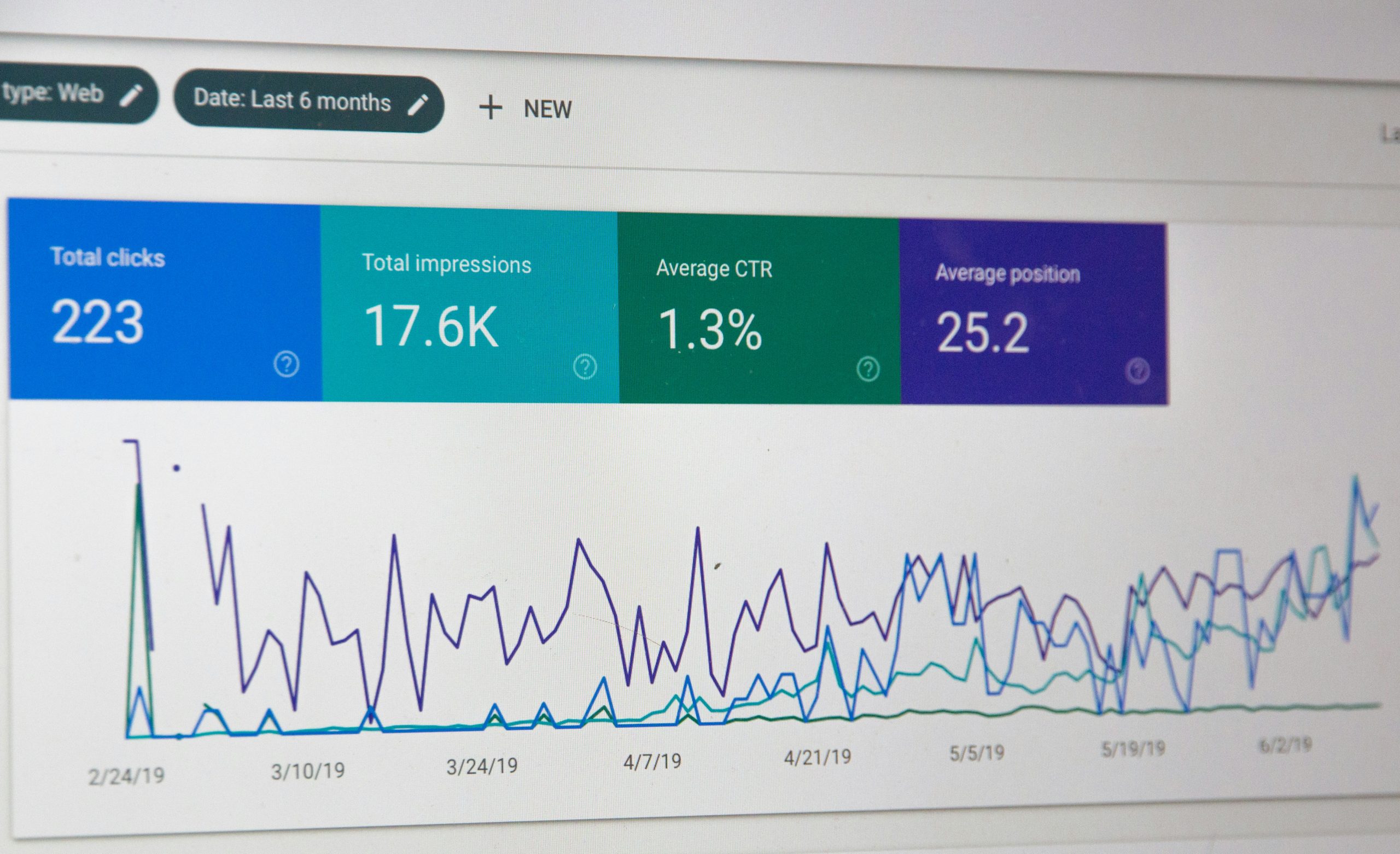
Google Search Console is the closest thing to a direct line into how Google sees your website. It shows which search queries you appear for, your average position, how many people click, which pages are indexed, any crawl errors, and how your Core Web Vitals are performing. If you take one action after reading this article, verify your site in Search Console.
Google Analytics then shows what visitors do once they arrive, which pages they land on, how they move through the site, and which sessions turn into inquiries or sales.
The metrics you should monitor are:
- Organic conversions and revenue
- Qualified organic traffic
- Rankings and impressions for the search terms that matter
- Technical health
Rankings on their own are the weakest of these. A first-place position for a phrase nobody searches is not a result.
Ways to Invest in SEO
Investing in SEO is not one thing. In practice it means choosing among a few levels of commitment.
- A one-off audit: A diagnostic that tells you what is wrong and what it would take to fix. The cheapest way to find out whether you have a problem worth solving, and where the biggest opportunities sit.
- Technical remediation: A defined project to fix the foundations like speed, crawl errors, structure, and schema. Often the highest immediate return on a neglected site.
- Ongoing content production: A steady program of new content and improvements to existing pages. This is where compounding growth comes from, and it needs consistency to work.
- Authority building: Earning links and mentions through PR, guest blogging, and reference-worthy assets. Slower and more strategic.
- Full-service retained SEO: All of the above coordinated together, with reporting and a roadmap.
Most businesses do best starting with an audit and technical fixes, then layering content once the foundations are sound. Publishing excellent articles on a site search engines struggle to crawl is a waste of good writing.
Doing It Yourself vs. Hiring an Agency
You can do plenty of SEO in-house, and if your budget is tight, you should start there.
What You Can Realistically Do Yourself
- Verify your site in Google Search Console and read it monthly.
- Claim and fully complete your Google Business Profile, and ask happy customers for reviews.
- Write clear, specific page titles and meta descriptions for your important pages.
- Fix obvious broken links and compress oversized images.
- Write genuinely useful content about the questions customers actually ask you. You have subject-matter knowledge no agency can replicate.
- Keep existing pages accurate and up to date.
That list alone puts you ahead of many of your competitors, and it costs nothing but time.
When an Agency Earns Its Fee
Outside help tends to pay for itself when one or more of these is true:
- The technical work exceeds your team’s comfort. For example, site migrations, JavaScript rendering, international setups, or a platform fighting you at every turn.
- You are in a competitive market where the sites above you are professionally optimized. Effort alone will not close that gap.
- You lack the tooling and the time. Professional research and diagnostic platforms cost real money, and interpreting them is a skill.
- Consistency has failed before. Most in-house SEO stalls not from lack of ability but because it is nobody’s actual job.
- The stakes are high. If organic search could drive a meaningful share of revenue, the opportunity cost of doing it slowly is higher than the fee.
How to Judge Whether an SEO Partner Is Any Good
There are a few reliable tells for whether an SEO partner is the right fit.
Good signs: They ask about your business model and margins before talking tactics. They explain their reasoning clearly and straightforwardly. They set expectations in months, not weeks. They report on leads and revenue, not just rankings. They are willing to tell you SEO is the wrong priority right now.
Warning signs: The guarantee rankings (nobody controls Google’s results), a special relationship with Google, vague deliverables measured in “hours,” bulk link packages, or reports full of metrics that never connect to money.
If you want to see how this is scoped properly, KEOCH’s SEO services page lays out what the work actually involves.
Is SEO Worth Investing In?
If your customers use search to find what you sell, yes, SEO is worth investing in. However, you must go in with the right expectations.
It is worth it when you can commit for at least six to twelve months, when your website is in good enough shape to build on (or you are willing to fix it), and when the customer’s lifetime value comfortably exceeds the cost of acquiring one.
It is a poor fit when you need leads this week (that is what paid search is for), when nobody searches for your category yet, when you cannot sustain the work beyond a couple of months, or when the real bottleneck is somewhere else entirely, like a product or sales problem no amount of traffic will fix.
Avoid speculating and look at the data. What are people in your market searching for? What have your competitors built? What shape is your website in?
If you would like that picture for your business, start with a free business audit, or talk to the KEOCH SEO team about what a realistic first six months would look like.